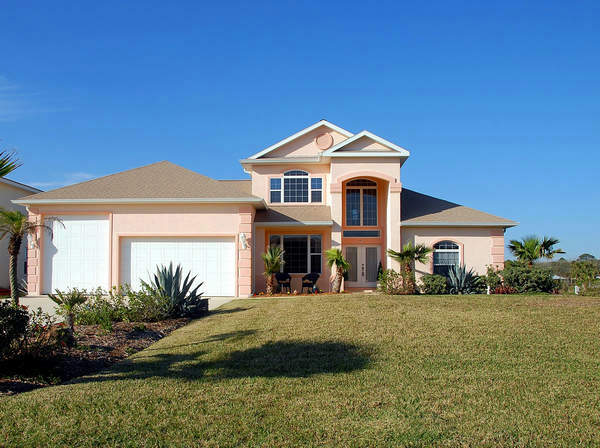
In an era where natural disasters are becoming increasingly frequent, understanding whether a home is disaster-proof or disaster-prone is crucial. Homeowners and potential buyers need to assess a property’s resilience against natural calamities to ensure safety and protect investments. Professional inspection services play a vital role in unveiling a home’s true vulnerabilities, providing valuable insights that can guide informed decisions.
Structural Integrity: The Foundation of Safety
The strength and stability of a home’s structure are fundamental in determining its ability to withstand disasters. Key components such as the foundation, walls, and roof must be evaluated for signs of wear and potential weaknesses. Foundation cracks, often indicative of underlying issues, can compromise a home’s structural integrity. According to industry standards, any crack wider than 1/4 inch should be further assessed by professionals.
Inspectors also focus on the roof, which serves as the first line of defense against weather elements. Proper installation and maintenance are critical; loose or missing shingles can lead to significant damage during high winds or heavy rain. Homeowners should ensure regular inspections, especially in regions prone to severe weather conditions.
Flood and Water Damage: Hidden Threats
Water intrusion is a common issue that can lead to extensive damage if not addressed promptly. Inspection professionals typically assess areas such as basements, crawl spaces, and attics for signs of moisture accumulation. A proper drainage system, gutter maintenance, and grading of the landscape away from the house are practical measures to mitigate flood risks.
- Ensure downspouts extend at least 5 feet away from the foundation.
- Regularly inspect and repair any leaks in plumbing systems.
- Install sump pumps in basements susceptible to flooding.
Electrical and HVAC Systems: Safety Precautions
Electrical systems are another critical area of focus, as faulty wiring can pose serious risks during disasters. Inspectors examine panels for outdated or overloaded circuits, ensuring compliance with safety standards. An HVAC system’s condition is equally important, as it affects air quality and comfort during extreme weather. Regular maintenance and timely repairs can prevent system failures when they are needed most.
In summary, identifying whether a home is disaster-proof or disaster-prone requires a comprehensive evaluation by professional inspectors. By understanding a property’s strengths and vulnerabilities, homeowners can take proactive measures to enhance safety and resilience. Engaging professional home inspection services is a prudent step in safeguarding property and ensuring peace of mind.