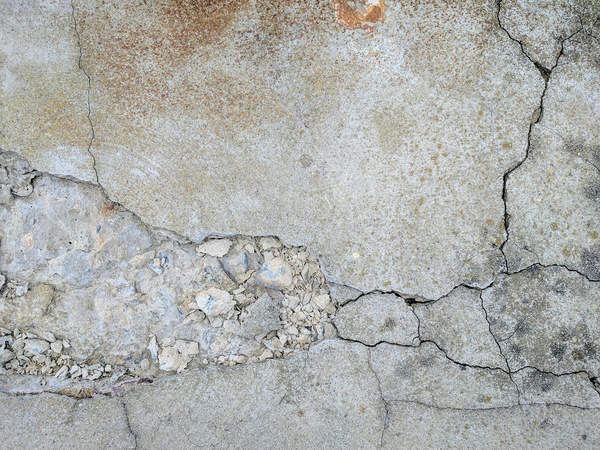
Structural issues in a home can transform a dream residence into a homeowner’s nightmare. From hidden cracks to sagging floors, structural problems can pose safety risks and lead to costly repairs if not addressed promptly. This topic is crucial for property buyers and homeowners, as understanding these issues can save time, money, and peace of mind. A professional home inspection can uncover these structural concerns before they escalate.
Identifying Common Structural Issues
Foundation problems are often the root of many structural nightmares. Indicators such as cracks in walls, uneven floors, and doors or windows that stick can suggest underlying foundation issues. Professionals typically use tools like laser levels and plumb bobs to assess the severity of these problems. Common causes include soil movement, water damage, or poor construction practices.
Industry Best Practices for Addressing Structural Concerns
Addressing structural issues requires a systematic approach. Home inspectors recommend the following steps:
- Regular Inspections: Periodic inspections can catch issues early, preventing them from worsening.
- Moisture Control: Maintaining proper drainage and addressing leaks can prevent water-related damage to the foundation.
- Professional Assessment: When structural issues are suspected, engaging a qualified structural engineer is advisable.
The Role of Building Codes and Standards
Understanding building codes is essential when dealing with structural repairs. These codes ensure safety and compliance with local regulations. Homeowners should verify that all repair work adheres to these standards, which can be found through local building departments or professional associations.
In summary, professional home inspections play a vital role in identifying and addressing structural issues early. By investing in these services, homeowners can protect their investment and ensure a safe living environment.